
“`html
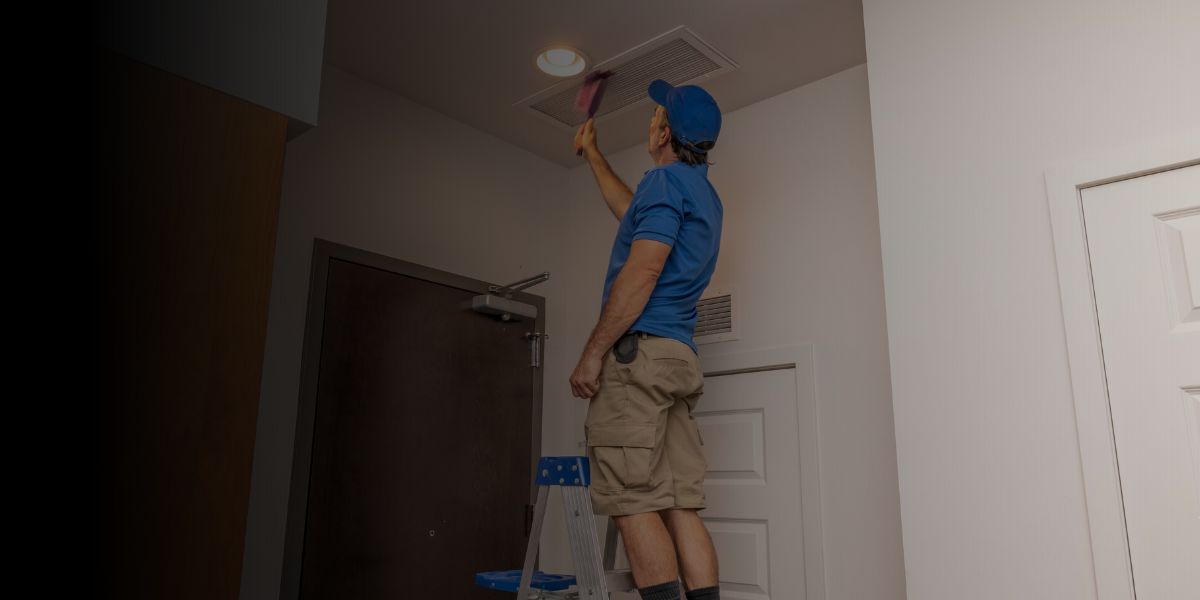
How to Reduce Dust in Your Home With Proper Vent Cleaning
Dust is an inevitable part of life, but it can accumulate quickly, leading to allergies and respiratory issues. A significant contributor to household dust is the air circulation system. Proper vent cleaning is essential not only for maintaining a clean home but also for ensuring good indoor air quality. This article outlines effective strategies for reducing dust in your home through comprehensive vent cleaning practices.
Understanding the Sources of Household Dust
Before tackling dust reduction, it’s important to identify where dust comes from. Key sources include:
- Skin cells from humans and pets
- Textile fibers from carpets, upholstery, and curtains
- Outdoor pollutants brought in by wind
- Household cleaning products
- Pollen and mold spores
The Role of Air Vents in Dust Accumulation
Air vents play a crucial role in the circulation of air throughout your home. Over time, these vents can trap dust and debris, which can be circulated back into your living areas. Regular vent cleaning can help significantly reduce the amount of dust in your home.
Steps for Effective Vent Cleaning
Here are practical steps for cleaning your vents and reducing dust effectively:
1. Gather Your Cleaning Supplies
Before starting, ensure you have the following supplies:
- Vacuum cleaner with a hose attachment
- Soft brushes
- Duster or microfiber cloths
- Bucket with warm, soapy water
- Protective mask and goggles (optional but recommended)
2. Turn Off Your HVAC System
Before cleaning, always turn off your heating and cooling systems to prevent dust from blowing around while you clean.
3. Remove Vent Covers
Carefully take off the vent covers using a screwdriver if necessary. This allows you to access the ducts and clean them effectively.
4. Vacuum the Ducts
Using the vacuum hose attachment, reach into the ducts as far as possible. Utilize soft brushes to dislodge any stubborn dust and debris, then vacuum again to remove it.
5. Clean the Vent Covers
Fill a bucket with warm, soapy water and use a cloth or sponge to scrub the vent covers. Rinse them thoroughly and let them dry completely before re-attaching.
6. Dust the Surrounding Areas
Use a duster or microfiber cloth to clean the areas surrounding the vents, including walls and baseboards. This helps capture dust that may have settled nearby.
7. Replace Air Filters Regularly
Check and replace your HVAC filters every 1-3 months. A high-efficiency particulate air (HEPA) filter can dramatically reduce dust and allergens circulating in your home.
Additional Tips for Maintaining a Dust-Free Home
In addition to vent cleaning, consider the following tips to further decrease dust accumulation:
- Regular Dusting: Use a damp cloth instead of a dry one to trap dust particles effectively.
- Minimize Clutter: Keep surfaces clear of unnecessary items to reduce dust collection.
- Use Doormats: Place doormats at entrances to catch dirt and dust from shoes.
- Control Humidity: Keeping humidity levels between 30-50% can lessen dust mite populations.
- Wash Bedding Frequently: Wash your sheets, pillowcases, and blankets every week to eliminate dust mites.
When to Call Professionals
While regular cleaning can significantly reduce dust levels, certain situations warrant professional help. Consider hiring an HVAC professional if:
- You have not cleaned your ducts in more than three years.
- You notice signs of mold growth inside the ducts.
- You have experienced water damage in your HVAC system.
- Pets consistently shed hair, contributing to dust buildup.
Conclusion
Reducing dust in your home requires regular cleaning and maintenance, especially of your air vents. By following the steps outlined above, you can dramatically reduce the dust levels in your living space, enhancing both air quality and comfort. Establishing a regular cleaning schedule and implementing additional dust-reducing strategies will contribute to a healthier living environment for you and your family.
“`