
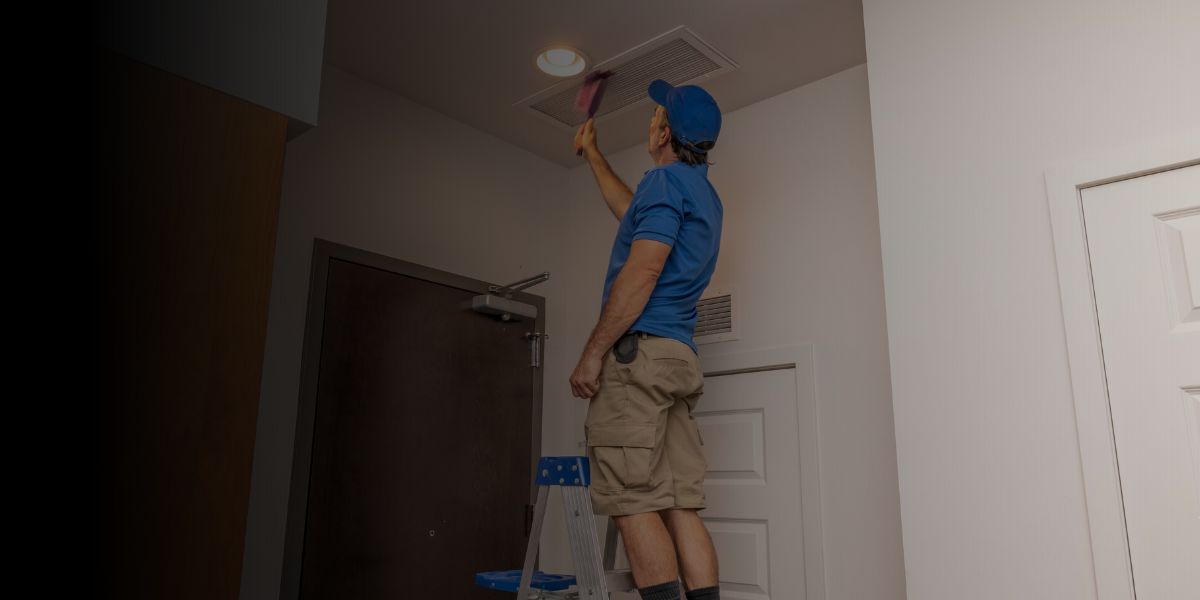
“`html
What’s Lurking in Your Air Ducts? A Closer Look
When was the last time you thought about the air ducts in your home? While they serve an essential function in the heating and cooling systems, many homeowners overlook their maintenance. Unfortunately, neglecting air ducts can lead to numerous issues, including health problems and increased energy costs. In this article, we will uncover what may be hiding in your air ducts, why it matters, and how to keep your indoor air clean.
The Importance of Air Ducts
Air ducts play a crucial role in distributing heated or cooled air throughout your home. They connect your HVAC system to the different rooms, ensuring a comfortable living environment. However, if these ducts are dirty or blocked, they can negatively impact both your health and your energy bills.
Health Risks Associated with Dirty Air Ducts
Dirty air ducts can harbor a variety of contaminants that may impact your well-being, including:
- Dust and Allergens: Dust particles, pollen, and pet dander accumulate in ducts and can circulate through your home, leading to respiratory issues.
- Mold: Damp and humid environments can encourage mold growth in your ducts, which can pose serious health risks when spores spread into your living space.
- Bacteria and Viruses: Pollutants and pathogens can multiply in the ducts, particularly during periods of inactivity, contributing to illnesses.
- Insects and Rodents: Unwanted critters may find their way into your ducts, leaving droppings and other debris that further contaminate the air.
Energy Efficiency and Your Air Ducts
In addition to health concerns, dirty air ducts can affect your home’s energy efficiency. When ducts are clogged with dust and debris, your HVAC system must work harder to maintain the desired temperature. This increased energy consumption can lead to:
- Higher Utility Bills: A struggling HVAC system may drive your energy costs significantly higher.
- Shortened Equipment Lifespan: Consistent overworking can lead to mechanical failures, resulting in costly repairs or premature replacements.
- Uneven Airflow: Clogged ducts can cause certain rooms to become too hot or too cold, leading to a lack of comfort in your home.
What Actually Lurks in Your Air Ducts?
Understanding what can accumulate in your air ducts is essential for recognizing the importance of regular cleaning and maintenance. Some common culprits include:
Dust and Dirt
Over time, dust and dirt particles combine to create a thick layer inside your ducts. This accumulation can affect your health and the performance of your HVAC system.
Hair and Fibers
Human and pet hair, along with textile fibers from furniture and clothing, can collect in your ducts. This debris can contribute to respiratory issues, especially for those with allergies.
Mold Spores
In humid conditions, mold can thrive in damp air ducts. Breathing in mold spores can trigger allergic reactions, respiratory problems, and other health complications.
Insect Parts and Rodent Droppings
Insects and rodents can make a home in your air ducts. Their droppings and decaying bodies can release harmful allergens and pathogens into your indoor air.
Construction Dust
If you have recently renovated or built your home, it’s likely that construction dust has settled in your air ducts, combining with existing debris and affecting air quality.
Signs Your Air Ducts Need Cleaning
It’s essential to be vigilant about the condition of your air ducts. Keep an eye out for these telltale signs that they may require professional cleaning:
- Visible Dust: If you notice a layer of dust on your vents, it’s a sign that your ducts may be dirty.
- Unusual Odors: Foul or musty smells can indicate mold growth or decay within your duct system.
- Increased Allergy Symptoms: If your family members exhibit allergy symptoms that improve when away from home, your air ducts could be the culprit.
- High Energy Bills: A spike in your energy bills may suggest that your HVAC system is overworking due to dirty ducts.
How to Maintain Clean Air Ducts
Maintaining clean air ducts is vital for ensuring good air quality and efficient HVAC performance. Here are some steps to consider:
- Regular Cleaning: Schedule professional duct cleaning every 3 to 5 years, or sooner if you notice issues.
- Change Air Filters: Replace HVAC filters regularly to prevent debris from circulating in your ducts.
- Seal Ducts Properly: Ensure all duct connections are sealed, preventing dust and contaminants from entering.
- Control Humidity: Use dehumidifiers when necessary to discourage mold growth in your ducts.
Conclusion
Your air ducts may be hidden from sight, but they play a pivotal role in maintaining a healthy, comfortable home environment. By understanding the potential contaminants and committing to regular maintenance, you can significantly improve indoor air quality and energy efficiency. Don’t wait until problems arise—act now to ensure that what’s lurking in your air ducts stays hidden and harmless!
“`