
“`html
How Air Ducts Contribute to Heating and Cooling Costs
Efficient heating and cooling are essential for maintaining comfort in our homes. While most homeowners focus on the HVAC system itself, the air ducts play a crucial role in determining the overall efficiency and effectiveness of these systems. Understanding how air ducts contribute to heating and cooling costs can empower homeowners to make informed decisions and optimize their energy usage.
The Role of Air Ducts in HVAC Systems
Air ducts serve as conduits that transport heated or cooled air throughout a home. They connect the HVAC system to various rooms, ensuring that temperature control is consistent across different areas. The design, size, and condition of air ducts significantly influence a system’s performance and efficiency.
Factors Affecting Air Duct Efficiency
Several factors determine how effectively air ducts contribute to heating and cooling costs:
- Duct Design: The layout and configuration of air ducts can impact airflow. A system with many bends or long runs may impede airflow, making the HVAC system work harder.
- Duct Size: Properly sized ducts are vital for effective airflow. Ducts that are too small can restrict airflow, while those that are too large can lead to inefficiencies.
- Insulation: Insulated ducts help maintain the temperature of air as it travels. Uninsulated or poorly insulated ducts can lose heat or cool air, leading to increased energy costs.
- Leaks and Gaps: Any leaks in the ductwork can cause air to escape, leading to wasted energy and higher heating and cooling bills.
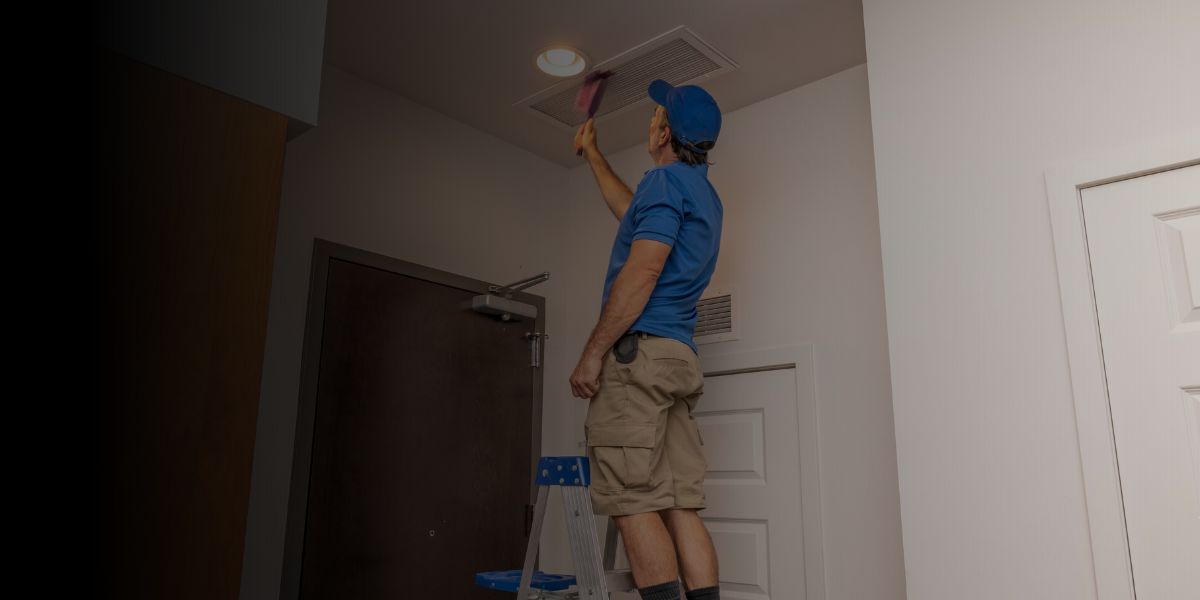
- Maintenance: Dust, debris, and obstructions can accumulate in ducts over time, leading to reduced airflow and efficiency.
Understanding Energy Losses
Heating and cooling costs can escalate due to energy losses that occur through air ducts. Here are the main ways energy loss can take place:
- Leaky Ducts: Duct leaks can account for up to 30% of energy losses in a home. These leaks allow conditioned air to escape, making the HVAC system inefficient.
- Poor Insulation: Ducts that run through unconditioned spaces, like attics or crawl spaces, can lose heat in winter or gain heat in summer if not properly insulated.
- Inadequate Sealing: Gaps and disconnected ducts create pathways for air to escape before it reaches its destination, leading to uneven temperatures and discomfort.
Impact of Air Duct Design on Comfort
A well-designed duct system is essential not only for energy efficiency but also for comfort within living spaces. Poor duct design can lead to:
- Temperature Imbalances: Some rooms may remain too hot or too cold if ducts are not balanced correctly.
- Increased Noise Levels: Improperly sized or poorly sealed ducts can lead to whistling sounds or excessive noise from the HVAC system.
- Inconsistent Airflow: Reduced airflow can result in hot spots and cold spots, making certain areas uncomfortable.
Improving Air Duct Efficiency
Homeowners can take several steps to improve the efficiency of their air ducts, ultimately reducing heating and cooling costs:
- Regular Maintenance: Schedule HVAC maintenance at least once a year to ensure your system is running efficiently and that ducts are clean.
- Seal and Insulate Ducts: Inspect for leaks and seal any gaps with mastic or foil tape. Insulate ducts that run through unconditioned areas to minimize energy loss.
- Consider Duct Design: If you’re renovating or building a new home, work with a professional to design a duct system that promotes efficient airflow.
- Install Dampers: Thoughtfully placed dampers can help regulate airflow throughout the home, improving temperature balance.
Conclusion
Understanding the contribution of air ducts to heating and cooling costs is essential for every homeowner. By recognizing the factors that affect airflow and taking steps to optimize duct performance, not only can you ensure a comfortable living environment but also significantly reduce energy bills. Regular maintenance, proper sealing, and insulation of ducts combined with a well-thought-out design can lead to substantial savings and a more efficient HVAC system. Investing in your air duct system will ultimately pay off in both comfort and cost-effectiveness.
“`