Importance of Clean Air Vents for HVAC Longevity
Maintaining a comfortable indoor environment relies heavily on the efficiency of your HVAC system. However, many homeowners overlook a crucial aspect that significantly affects its performance: clean air vents. Regular cleaning and maintenance of these vents can lead to numerous benefits, including a longer lifespan for your HVAC system.
How Dirty Vents Impact HVAC Performance
When air vents accumulate dust, debris, and other contaminants, they can negatively impact the efficiency and functionality of your HVAC system. Here are some of the key ways that dirty vents hinder performance:
- Reduced Airflow: Blocked vents cause restricted airflow, forcing the system to work harder to circulate air.
- Increased Energy Consumption: A struggling system consumes more energy, leading to higher utility bills.
- Uneven Temperature Distribution: Dirty vents can cause hot and cold spots throughout your home, affecting overall comfort.
- Increased Wear and Tear: The extra workload on the system can lead to premature wear and ultimately result in costly repairs or replacements.
Benefits of Keeping Vents Clean
Regularly cleaning your air vents offers several advantages that contribute to the longevity of your HVAC system:
- Improved Efficiency: Clean vents ensure optimal airflow, allowing your HVAC system to operate more efficiently, reducing energy consumption.
- Enhanced Air Quality: Clean air vents play a significant role in maintaining high indoor air quality, as they prevent the circulation of dust and allergens.
- Lower Repair Costs: By increasing the efficiency of your system, clean vents can lower the likelihood of breakdowns and costly repairs.
- Extended Lifespan: A well-maintained HVAC system can last much longer than a neglected one, providing you with years of reliable service.
How to Maintain Clean Vents
Keeping your air vents clean requires regular maintenance and attention. Consider these practical steps to ensure the cleanliness of your HVAC system:
1. Regular Inspections
Conduct periodic inspections of your vents to identify any buildup of dust or debris. A good rule of thumb is to check them every few months, especially during the HVAC operating seasons.
2. DIY Cleaning Techniques
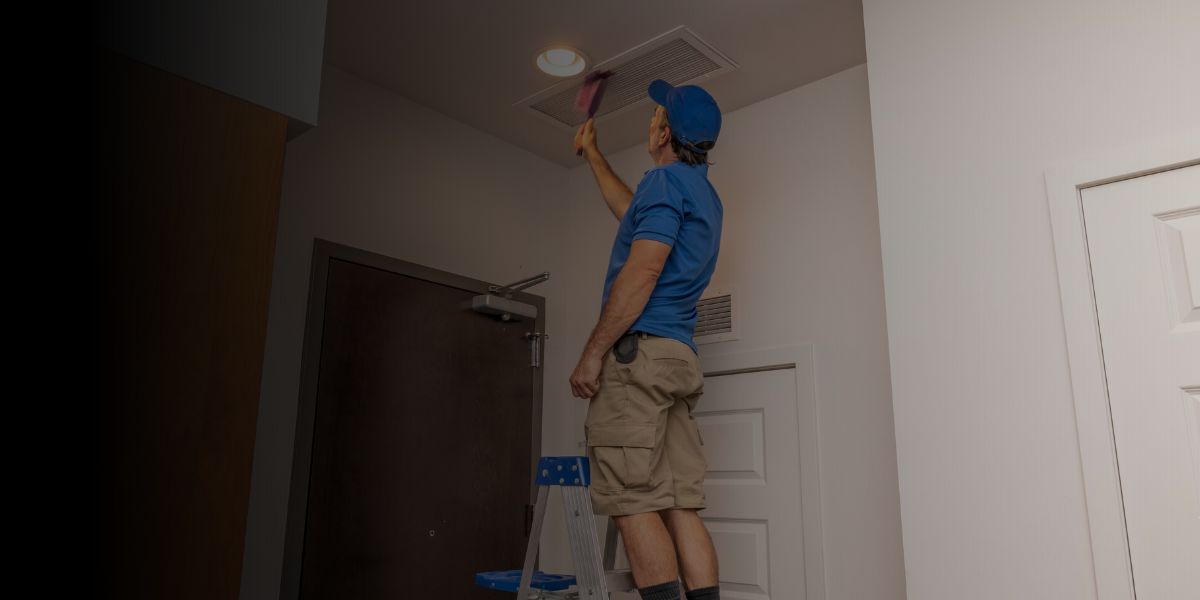
If you feel comfortable, you can clean your vents yourself. Here’s how:
- Turn off your HVAC system before starting any cleaning.
- Remove vent covers and wash them with warm, soapy water.
- Use a vacuum cleaner with a brush attachment to clean inside the vent ducts.
- Replace or clean the air filter regularly to prevent dirt from entering the system.
3. Professional Cleaning Services
If your vents have not been cleaned for an extended period, consider hiring a professional HVAC technician. They have specialized equipment and expertise to perform a thorough cleaning.
4. Schedule Routine Maintenance
In addition to cleaning vents, ensure you schedule regular maintenance for your HVAC system. A professional technician can perform checks on various components, helping to identify potential issues before they become significant problems.
Signs Your Vents Need Cleaning
Regular vigilance can help you determine whether your vents require immediate cleaning. Look out for the following signs:
- Visible dust or debris around the vent covers.
- Inconsistent airflow from your vents.
- Unpleasant odors coming from the HVAC system.
- Increased allergy symptoms among household members.
Conclusion
To ensure your HVAC system functions optimally for years to come, keeping your air vents clean is essential. Not only does this simple maintenance practice enhance efficiency and air quality, but it also extends the life of your system while reducing energy costs. By following regular cleaning and maintenance schedules, you can help your HVAC system remain in top condition, providing you with a comfortable and healthy indoor environment.